What Does It Mean to Be an Executor of a Will in Woodbridge?
If a parent or relative named you in their will, here is what the role asks of you, how long it tends to take, and what to do about the house while it all moves forward.
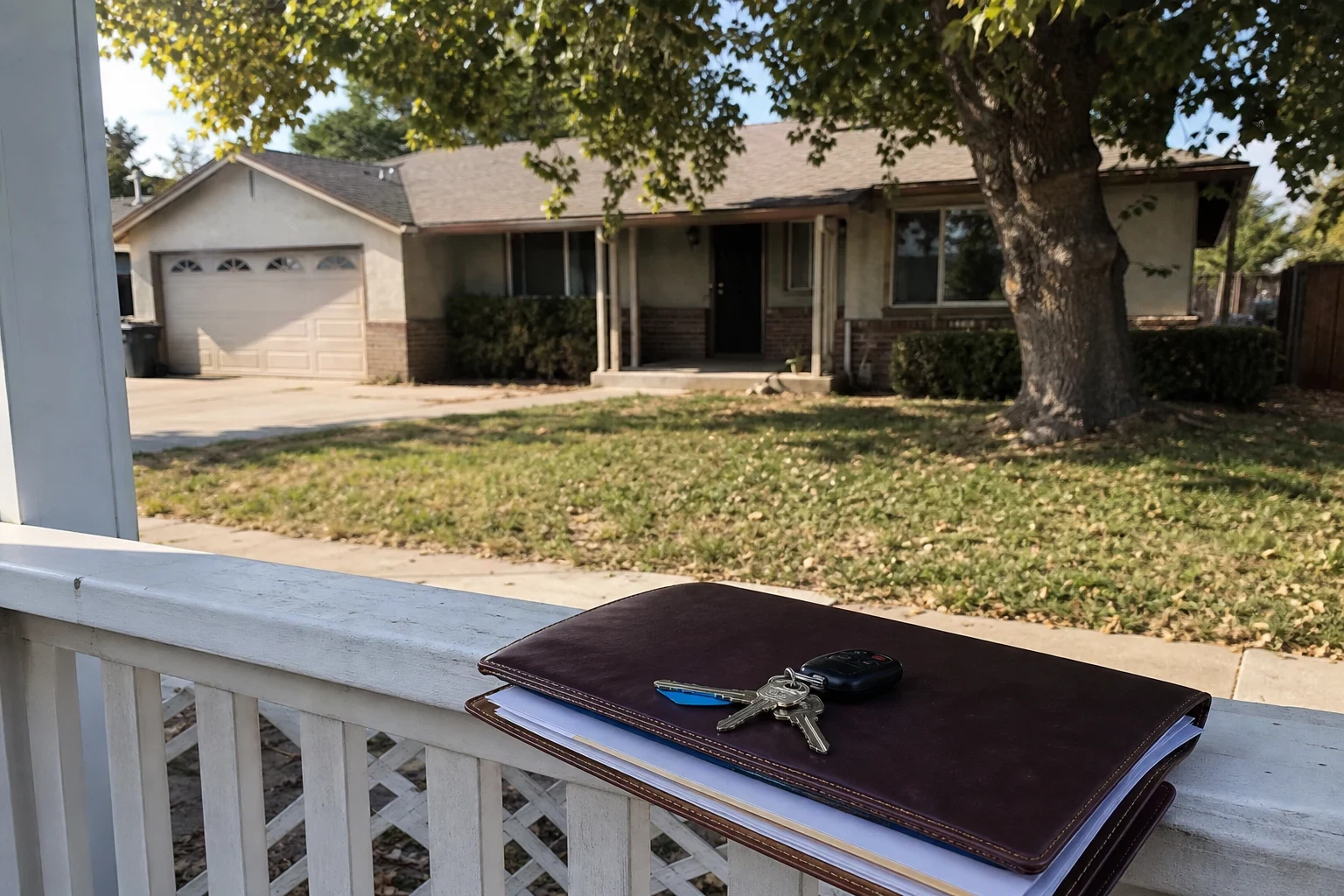
What does it mean to be an executor of a will?
Being an executor means you are the person named in a will to carry out its instructions. In California, that usually means asking the probate court for authority, gathering the assets, paying valid debts and taxes, caring for property like the house, and then handing what is left to the heirs the will names.
What does an executor actually do?
The executor stands in for the person who passed away and settles their affairs. You are not inheriting the job of paying their bills out of your own pocket. You are managing their estate, using the estate's money, on behalf of everyone the will names.
The court calls this a fiduciary role. In plain terms, every decision has to put the estate and the heirs first, including you if you are also an heir. Keeping good records and talking openly with family protects you as much as it protects them.
- Find the original will and file it with the court
- Ask the court to appoint you and receive letters testamentary
- Notify heirs and creditors, and publish the required notice
- List the assets and have the real estate appraised
- Pay valid debts, final bills and taxes from estate funds
- Sell or transfer property and distribute what remains
How does probate work in San Joaquin County?
Probate for a Woodbridge estate runs through the San Joaquin County Superior Court. Your attorney files a petition, the court sets a hearing, and once you are approved you receive letters testamentary. Those letters are what banks, title companies and buyers will ask to see before you can act for the estate.
After letters are issued, creditors get a four-month window to file claims. Meanwhile, a probate referee appraises the real estate for the court inventory. Many estates take a year or more from start to finish, and contested ones take longer.
How you sell the house depends on the authority the court grants. With full authority under California's Independent Administration of Estates Act, you can usually sell after sending heirs a Notice of Proposed Action and waiting the required period. With limited authority, the sale goes back to court for confirmation, where other buyers can show up and bid higher. Your attorney will tell you which applies.
Looking after the house while the estate is open
Until the house is sold or handed to an heir, caring for it is part of your job. Call the homeowner's insurance carrier early. Many policies change or lapse when a property sits empty, and you want coverage in the estate's name before anything goes wrong.
Keep the utilities on at a basic level, have someone walk through regularly, and keep the yard watered. A dead lawn and drawn blinds during a long Central Valley summer tell everyone the house is empty. Mortgage payments and property taxes still come due, and they are paid from estate funds, not yours.
Should you fix the house before selling it?
Often a few sensible repairs pay for themselves. A leaking water heater, a broken window, a dripping roof flashing or a dead sprinkler system are the kinds of small items that make buyers nervous and invite lower offers. Fixing them is usually cheaper than the discount a buyer will ask for.
Bigger projects are a different story. A kitchen remodel, a new roof or foundation work can eat estate cash, slow the timeline and start arguments among heirs about who is paying for what. In those cases, selling the house in its current condition and pricing it honestly often makes more sense.
We walk through the property with you and sort the list into repairs worth doing and ones to leave for the buyer. Some standard seller disclosure forms may not apply to certain probate sales, but known problems still need to be shared, so ask your attorney what your sale requires.
How we help executors sell the family house
We are real estate agents, not attorneys, so we work alongside the lawyer handling the estate. Our part is the house: a pricing opinion based on recent nearby sales, a practical repair list, preparing the property for market, and timing the sale around the court steps so nothing gets ahead of your authority.
Many executors live far from Woodbridge or juggle this on top of work and grief. We can meet at our office or handle most of it by phone and video, and we keep the other heirs informed so you are not the only one answering their questions. Our inherited and probate houses service covers the full process, and our home selling and listings page explains how a standard sale runs once the estate is ready.
More questions executors ask
- Can I turn down being named executor?
- Yes. You can decline before the court appoints you, and the alternate named in the will, or someone the court chooses, steps in instead.
- Do executors get paid in California?
- California law sets executor compensation based on the value of the estate, paid from estate funds. Many family members choose to waive it, especially when they are also heirs.
- Am I personally responsible for the person's debts?
- Generally no. Debts are paid from the estate, but handing out money or property to heirs before valid claims are settled can create problems for you, so follow your attorney's timing.
- What if the house was in a living trust?
- Then the house usually skips probate, and the successor trustee named in the trust handles the sale or transfer instead of an executor.

Talk through the house before you decide anything
On a phone call we can listen to where the estate stands, explain how a probate sale usually fits around the court steps, and give you an honest view on which repairs are worth making.