ServicesDivorce Home Sales
Divorce Home Sales in Woodbridge, Handled Fairly for Both of You
Selling a shared house during a divorce is hard enough without a sale that feels tilted toward one side. We keep both of you informed equally, work alongside your attorneys or mediator, and recommend only the repairs that will actually pay you back.
A neutral agent for a sale you both have to agree on
In a divorce, the house is often the largest thing you own together. Both names on the title usually means both signatures on every key document. We act as a neutral party. Both of you get the same information at the same time, in writing, so no one wonders what was said on a call they missed.
California treats most property bought during a marriage as community property, so the price, the timing and how the proceeds are held all matter to your settlement. Legal questions belong with your lawyer; our job is the sale itself. We keep your attorneys in the loop, follow any court order or agreed terms, and make sure escrow knows how the money should be handled.
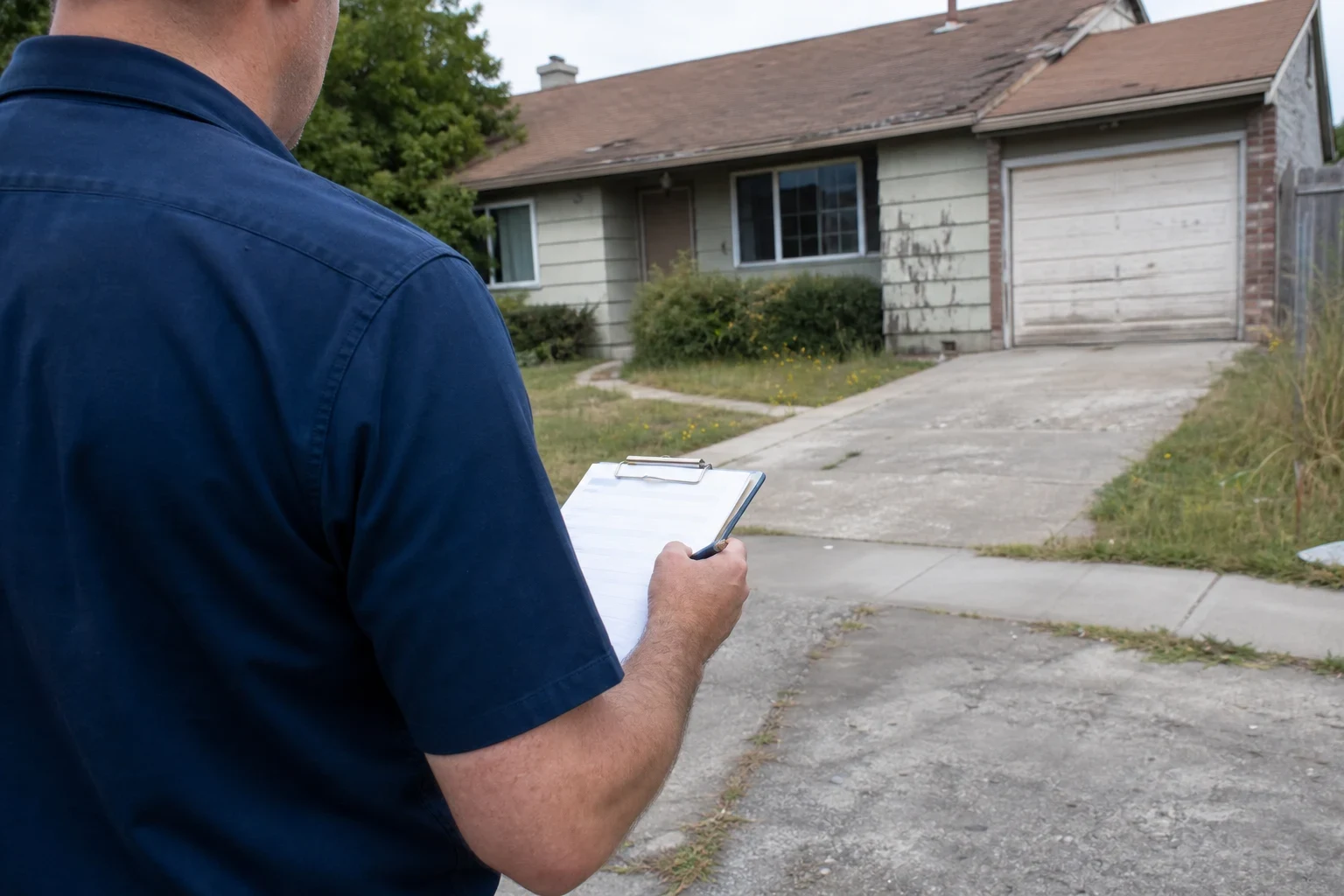
Before anything goes to market, we walk the house and give you a straight answer on repair versus replacement. A dripping faucet or a tired coat of paint is often worth fixing. A new roof or kitchen usually is not, because you rarely get that money back, and spending it shrinks what you both walk away with.
What our help with a divorce sale includes
Equal updates for both parties
Every offer, inspection report and price conversation goes to both of you in writing. If you would rather not be on the same call, we meet separately at our office or by video and share the same notes with each side.
A fix, skip or disclose walkthrough
We look at the house room by room and sort what we find into three groups. Small fixes buyers notice right away usually earn their cost back. Big projects rarely do, and we will tell you so plainly.
Pricing you can both check
We pull recent comparable sales and show how we reached a suggested price. When both spouses see the same numbers, the price is less likely to become one more argument.
Coordination with attorneys and mediators
With your permission, we keep your attorneys or mediator updated on timing, offers and closing details so the sale lines up with your settlement terms or court order.
Careful disclosures
California sellers must disclose known issues with the property. We help you both complete the forms accurately, since a spouse who moved out may know less about recent problems than the one who stayed.
A closing date that fits your agreement
We set the timeline around move-out plans, court dates and what each of you needs.
Signs it may be time to talk about selling
You agree on selling, not on how
Both of you want out, but price, timing or what to fix keeps stalling the conversation. A neutral agent with real numbers on the table can get it moving.
A court order or settlement requires a sale
If your judgment or agreement says the property must be sold, there are usually deadlines and conditions attached. We work within them.
One income cannot carry the payments
When a single paycheck no longer covers the mortgage, taxes and insurance, waiting can eat into equity you both share.
Upkeep is slipping
Maintenance tends to fall behind when a house is in limbo and no one wants to pay. We help you decide together which items are worth fixing and which can be disclosed and left for the buyer.
Talking directly has become difficult
One person relaying every update in writing to both of you keeps the sale on track without adding conflict.
How a divorce sale works with us
- 1
A first conversation by phone
One or both of you calls to explain where things stand: who is on title, whether there is a court order, and any timing pressures. We explain how we stay even-handed and what we will need from each of you.
- 2
Walkthrough and fix-or-skip notes
We visit the house and give both parties the same written notes on what to fix, what to skip and what to disclose, with the reasoning behind each call.
- 3
Agreeing on price and terms
We share comparable sales with both of you, and your attorneys if you like. Once you both sign off on a price and a plan for any work, we prepare the house for market.
- 4
Offers and negotiation
Every offer goes to both of you together. Counteroffers need both signatures, so we track who has signed and follow up quietly with whoever is still reviewing.
- 5
Closing and proceeds
Escrow follows the written instructions you both provide, or the terms of a court order, for how the money is divided or held. Each of you receives the full closing paperwork.
What affects your costs and your net
Every sale has costs, and in a divorce both of you deserve to see them before deciding anything. We explain our commission and the other selling costs on the first call, before you sign. These are the things that most change what you each take home.
- Repairs you choose to make
- Every dollar spent on the house comes out of shared equity. That is why we suggest fixes buyers will pay for, like patching drywall or replacing broken fixtures, and steer you away from larger remodels.
- Inspection findings
- Problems a buyer's inspector finds can lead to repair requests or credits. Knowing about them early lets you decide calmly instead of under a deadline.
- Timing and carrying costs
- Every month the house sits unsold, someone pays the mortgage, utilities and insurance. A realistic price and clear timeline usually cost less than waiting.
- Loan payoffs and liens
- Mortgage balances, equity lines and any liens are paid from the proceeds at closing, which sets how much is left to divide.
- Standard closing costs
- Escrow and title fees, transfer taxes and commission are part of any sale. We lay them out so both of you see the same estimated net figure.
Questions about selling a house in a divorce
Something not covered here? (209) 219-1500
Does the sale need both spouses' signatures?
Usually. When both names are on title, each of you signs the sale paperwork. If the two of you cannot reach agreement, a judge can order the property sold, and we then work from that order. Your attorney can tell you how this fits your case.
Who do you represent when a couple is divorcing?
We represent the sellers, which means both of you. We share information equally and do not take sides on how the proceeds are divided. That decision belongs to you, your attorneys or the court.
Can one of us keep living there while it is for sale?
Yes, that is common. We work out a plan for access and keeping the house ready for buyers that respects the person living there and the one who moved out.
Should we fix everything before selling?
Usually not. We recommend repairs that clearly help the price or prevent trouble in escrow, and we explain when a project costs more than it returns. Some items are better disclosed and left for the buyer.
Is it possible to sell while our case is still open?
In many cases it is. When you both consent and no court order stands in the way, the sale can close while the divorce is still in progress. A common approach is to have escrow keep the money from the sale until your settlement is signed. Have your attorney confirm this for your situation before we begin.
Can we meet with you separately?
Yes. We can meet each of you at our office, by phone or by video, and we send the same written summary to both of you afterward.

Start with a calm, even-handed conversation
Tell us where things stand and what each of you needs from the sale. We will walk you through the steps, the costs and which fixes are worth making.